

Sensitive Teeth: Common Causes and Ways to Manage Discomfort
That first sip of ice water should feel refreshing, not like a tiny lightning bolt just struck your tooth. Sensitive teeth can turn ordinary moments, such as enjoying ice cream or drinking morning coffee, into unpleasant surprises. The good news? Understanding the triggers can help you manage discomfort and protect your teeth. Let’s investigate this dental drama without putting your mouth through another round of torture.
Why Your Teeth Suddenly Feel Sensitive
Your teeth have a protective outer layer called enamel. Beneath it sits dentin, which contains tiny channels that connect to the nerves inside your teeth. When enamel wears down, or gums recede, these channels become more exposed. Hot, cold, sweet, or acidic foods can then trigger a sharp, brief pain. Several everyday habits can contribute to this problem. Brushing too aggressively, grinding your teeth, and frequently drinking acidic beverages may wear away protective surfaces. Gum disease and tooth decay can also expose sensitive areas. Sometimes, discomfort appears after dental treatments such as whitening or professional cleaning. If pain develops suddenly or persists, don’t simply blame your toothbrush and hope for the best.
Everyday Triggers That Can Make Pain Worse
 Your favorite snacks might be stirring up trouble without you realizing it. Citrus fruits, soda, sports drinks, and vinegar-heavy foods contain acids that can weaken enamel over time. Extremely hot soup and icy desserts may also trigger discomfort when dentin is exposed. You don’t need to abandon every delicious thing in your kitchen, but paying attention to patterns can help identify your personal triggers. Your brushing routine matters just as much as your menu. A hard-bristled toothbrush and forceful scrubbing can irritate gums and contribute to enamel wear. Brushing immediately after consuming acidic foods may also damage softened enamel. Instead, rinse your mouth with water and wait around 30 to 60 minutes before brushing. Small adjustments can spare your teeth a surprising amount of grief.
Practical Ways to Ease Tooth Sensitivity
Start with toothpaste formulated for sensitive teeth. These products contain ingredients such as potassium nitrate or stannous fluoride that can reduce sensitivity with regular use. Follow the package directions, and give the toothpaste time to work rather than expecting instant fireworks in reverse. A soft-bristled toothbrush and gentle, circular movements can also help protect your enamel and gums. You can make a few changes at mealtimes, too. Drink water after acidic foods and beverages, and consider using a straw for acidic drinks to limit contact with your teeth. Avoid biting directly into ice or chewing other hard objects that may damage teeth. If you grind your teeth during sleep, ask a dentist about suitable protection. These steps may ease discomfort, but they cannot repair every underlying dental problem.
When Sensitive Teeth Need Professional Attention
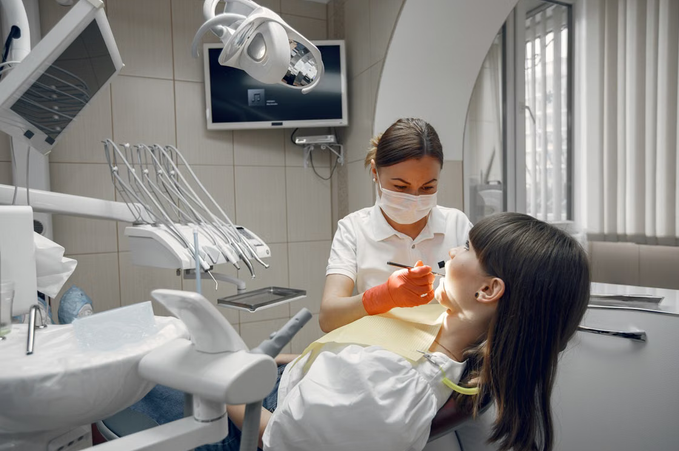
Occasional sensitivity may improve with better oral care, but recurring pain deserves attention. Book a dental appointment if discomfort lasts, worsens, affects one particular tooth, or makes eating difficult. Sharp pain when biting, visible holes, swollen gums, or a cracked tooth can signal a …